Plants to Consider When Companion Planting
I’ve read that you should plant tomatoes next to carrots to increase your yield of both crops and lessen the risk of insect damage. Are there any other good combinations to consider when planning your garden?
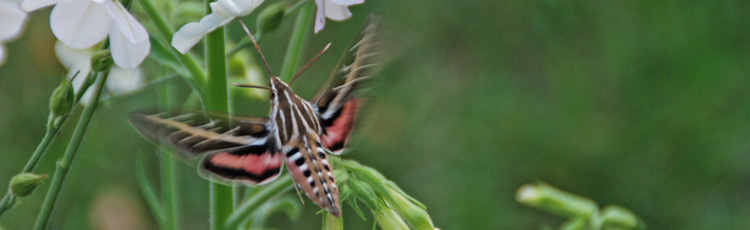
Much of the pest management claims made for companion planting have not been duplicated in research studies. But a few indirect benefits have been found. Anytime we add plants that attract beneficial insects and pollinators to the garden and landscape we help improve productivity and reduce pest problems.
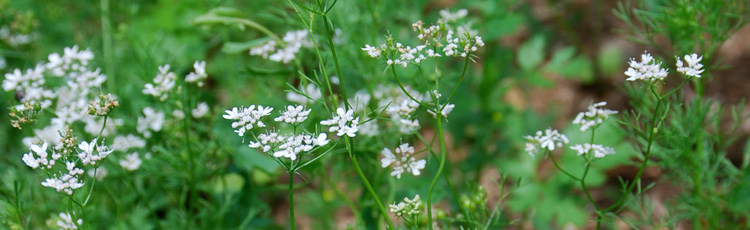
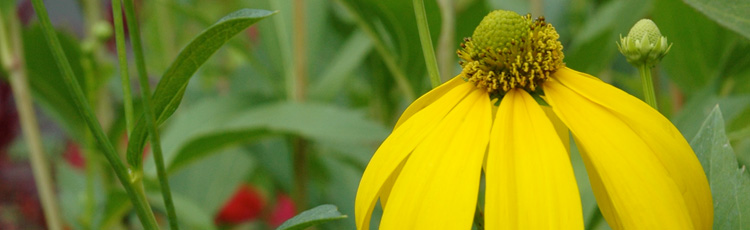
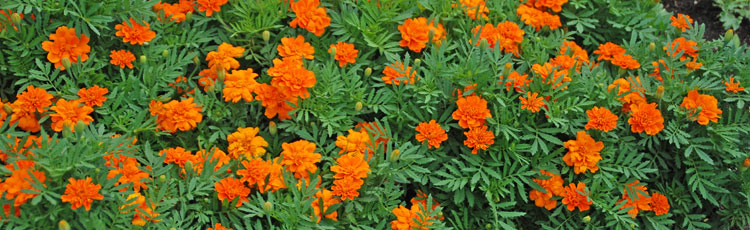
Members of the carrot family like dill and cilantro, sunflowers and its cousins like cosmos, coreopsis, tansy and yarrow, plus members of the mustard family like alyssum and other various plants such as buckwheat, milkweed and potentilla help attract the good guys.
Limit your use of pesticides and tolerate some damage so the beneficial insects set up residence in your garden and eat away your pest problems. Try rotating crops, diversifying your plantings and keeping weeds that attract insects and disease out of the garden.
If you decide to experiment make sure the plants you combine grow well in the existing growing conditions. Then monitor for pest problems throughout the growing season.
Related
Upcoming Live Events
& Webinars
April 27, 2024
Ridges & Rivers Book Festival
Viroqua, WI
Register now
April 28, 2024
Flowering Trees and Shrubs
Ebert's Greenhouse Village, Ixonia, WI
May 1, 2024
FREE WEBINAR
Ornamental Fruits and Vegetables
Register now
May 4, 2024
Garden U 2024
New Richmond, WI
Register now
May 9, 2024
FREE WEBINAR
How to Plant Your Rain Garden
Register now
May 11, 2024
Ask The Plant Doctor Q & A
Ebert's Greenhouse Village, Ixonia, WI
May 12, 2024
Ask The Plant Doctor Q & A
Ebert's Greenhouse Village, Ixonia, WI
May 18, 2024
Ask The Plant Doctor Q & A
Ebert's Greenhouse Village, Ixonia, WI
June 1, 2024
Selecting, Planting, Pruning and Caring for Hydrangeas
Ebert's Greenhouse Village, Ixonia, WI
June 5, 2024
FREE WEBINAR
Under-Appreciated Pollinators
Register now
WATCH ON-DEMAND WEBINARS
Learn More
Book an Appearance
Enter to Win The Birds & Blooms' Ultimate Gardening Guide !