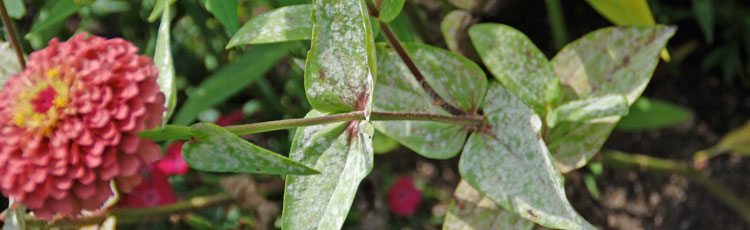
Powdery Mildew in Flower Garden
Last summer many of my plants and shrubs were attacked by powdery mildew. We have pets and do not want to use chemicals.
In general plants grown in full sun with good air circulation (properly spaced and thinned) have fewer mildew problems. Drought stressed and overfertilized plants are more likely to develop the problem. Excess fertilization produces an abundance of lush succulent growth that is more susceptible to this disease. Susceptible plants such as zinnia, garden phlox and lilacs can get mildew even in good growing conditions. Plant mildew resistant varieties whenever possible. Remove infested foliage during your fall cleanup to reduce the amount of overwintering fungus. Neem and some other eco-friendly fungicides can help reduce powdery mildew. Just be aware you will need to make regular applications at the first sign of the disease and throughout the remainder of the growing season.
Related
Article
Article
Article
Upcoming Live Events
& Webinars
May 9, 2024
FREE WEBINAR
How to Plant Your Rain Garden
Register now
May 11, 2024
Ask The Plant Doctor Q & A
Ebert's Greenhouse Village, Ixonia, WI
May 12, 2024
Ask The Plant Doctor Q & A
Ebert's Greenhouse Village, Ixonia, WI
May 18, 2024
Ask The Plant Doctor Q & A
Ebert's Greenhouse Village, Ixonia, WI
June 1, 2024
Selecting, Planting, Pruning and Caring for Hydrangeas
Ebert's Greenhouse Village, Ixonia, WI
June 5, 2024
FREE WEBINAR
Under-Appreciated Pollinators
Register now
WATCH ON-DEMAND WEBINARS
Learn More
Book an Appearance

Enter to Win The Birds & Blooms' Ultimate Gardening Guide !