Garden Planning: Frost Dates and Frost-Free Growing Days
Grab the calendar, your garden plans and take a look at your area’s climate history before you start planting.
We talk a lot about cold hardiness when planning our gardens and selecting plants. But we also need to look at the number of frost-free days in our area.
This number influences our plant selection and planting time indoors and out. Planting dates, indoors and out, are often based on the average last spring frost.
Next, count the number of days between the average last spring and first fall frost. This is the average number of frost-free days in your location. Compare this to the plant tag, seed packet or catalogue descriptions. Most provide a “number of days to harvest or bloom”. You may need to grow shorter season cultivars, start the seeds indoors, or use season extending techniques to grow plants that require a longer growing season than yours.
A bit more information: Heat is also a limiting factor when gardening. Many plants suffer damage when temperatures rise over 86 degrees Fahrenheit (30 degrees Celsius). The American Horticultural Society Plant Heat-Zone Map has divided the United States into zones based on the average number of 86 degree and warmer days. Visit ahsgardening.org for more information.
Related
Audio

Audio
Categories
Upcoming Live Events
& Webinars
April 20, 2024
Pruning Hydrangeas and Other Shrubs
Pasquesi Home & Gardens, Lake Bluff, IL
April 27, 2024
Ridges & Rivers Book Festival
Viroqua, WI
April 28, 2024
Flowering Trees and Shrubs
Ebert's Greenhouse Village, Ixonia, WI
May 1, 2024
FREE WEBINAR
Ornamental Fruits and Vegetables
Register now
May 4, 2024
Garden U 2024
New Richmond, WI
Register now
May 9, 2024
FREE WEBINAR
How to Plant Your Rain Garden
Register now
May 11, 2024
Ask The Plant Doctor Q & A
Ebert's Greenhouse Village, Ixonia, WI
May 12, 2024
Ask The Plant Doctor Q & A
Ebert's Greenhouse Village, Ixonia, WI
May 18, 2024
Ask The Plant Doctor Q & A
Ebert's Greenhouse Village, Ixonia, WI
June 1, 2024
Selecting, Planting, Pruning and Caring for Hydrangeas
Ebert's Greenhouse Village, Ixonia, WI
June 5, 2024
FREE WEBINAR
Under-Appreciated Pollinators
Register now
WATCH ON-DEMAND WEBINARS
Learn More
Book an Appearance
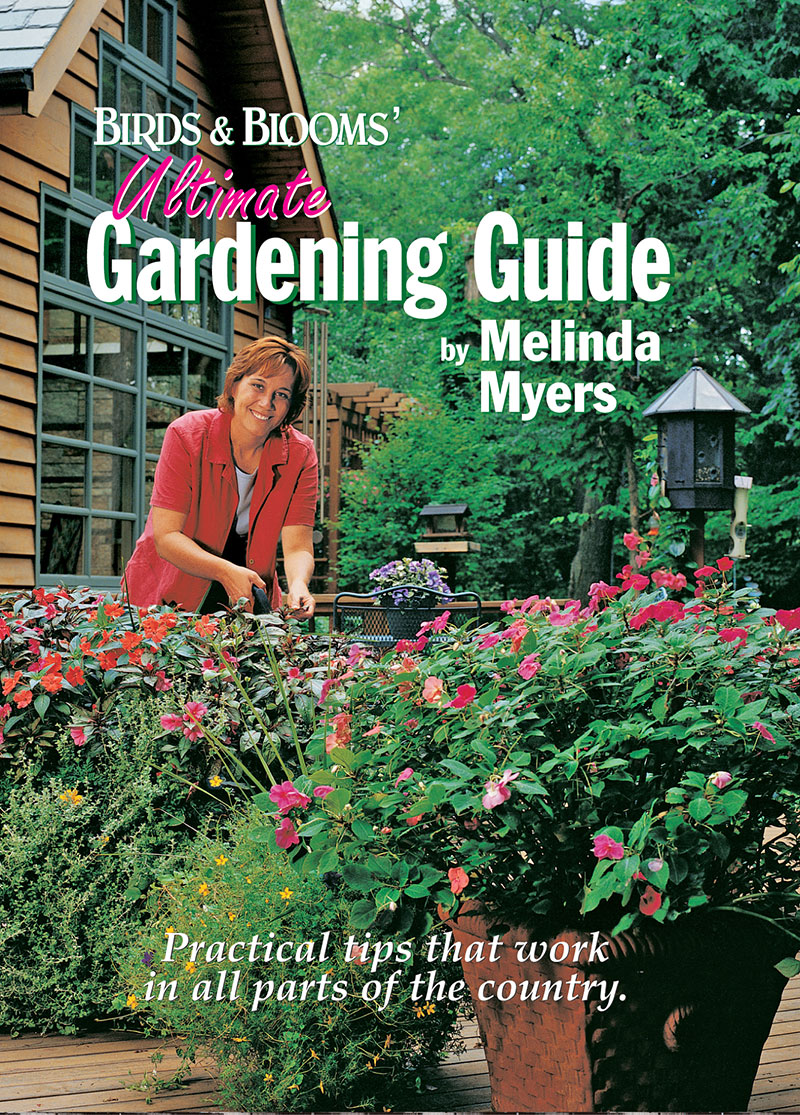
Enter to Win The Birds & Blooms' Ultimate Gardening Guide !