Frost and Freeze Watches and Warnings
Understanding frost and freeze warnings can help you better protect your plantings.
A frost advisory is usually issued when minimum temperatures between 33 to 36 degrees are expected. These continue in fall until a killing freeze ends the season and begin in spring with the growing season.
Frost is more likely on a clear night when the ground heat is lost to the atmosphere. It’s also common on still nights or when winds are light, allowing a layer of cool air to settle at the surface. Cool temperatures and moist conditions increase the risk of frost and freezing. And those low spots in your landscape are the first to be affected as cold air sinks.
A freeze watch is issued when a large area could potentially be hit with freezing temperatures within 24 to 36 hours. A freeze warning means freezing temperatures are expected to occur.
A bit more information: Visit the National Weather Service website to find the average first freeze and frost dates for your area. This can help you plan your planting dates, harvesting schedule and frost protection strategies.
Categories
Upcoming Live Events
& Webinars
April 27, 2024
Ridges & Rivers Book Festival
Viroqua, WI
Register now
April 28, 2024
Flowering Trees and Shrubs
Ebert's Greenhouse Village, Ixonia, WI
May 1, 2024
FREE WEBINAR
Ornamental Fruits and Vegetables
Register now
May 4, 2024
Garden U 2024
New Richmond, WI
Register now
May 9, 2024
FREE WEBINAR
How to Plant Your Rain Garden
Register now
May 11, 2024
Ask The Plant Doctor Q & A
Ebert's Greenhouse Village, Ixonia, WI
May 12, 2024
Ask The Plant Doctor Q & A
Ebert's Greenhouse Village, Ixonia, WI
May 18, 2024
Ask The Plant Doctor Q & A
Ebert's Greenhouse Village, Ixonia, WI
June 1, 2024
Selecting, Planting, Pruning and Caring for Hydrangeas
Ebert's Greenhouse Village, Ixonia, WI
June 5, 2024
FREE WEBINAR
Under-Appreciated Pollinators
Register now
WATCH ON-DEMAND WEBINARS
Learn More
Book an Appearance
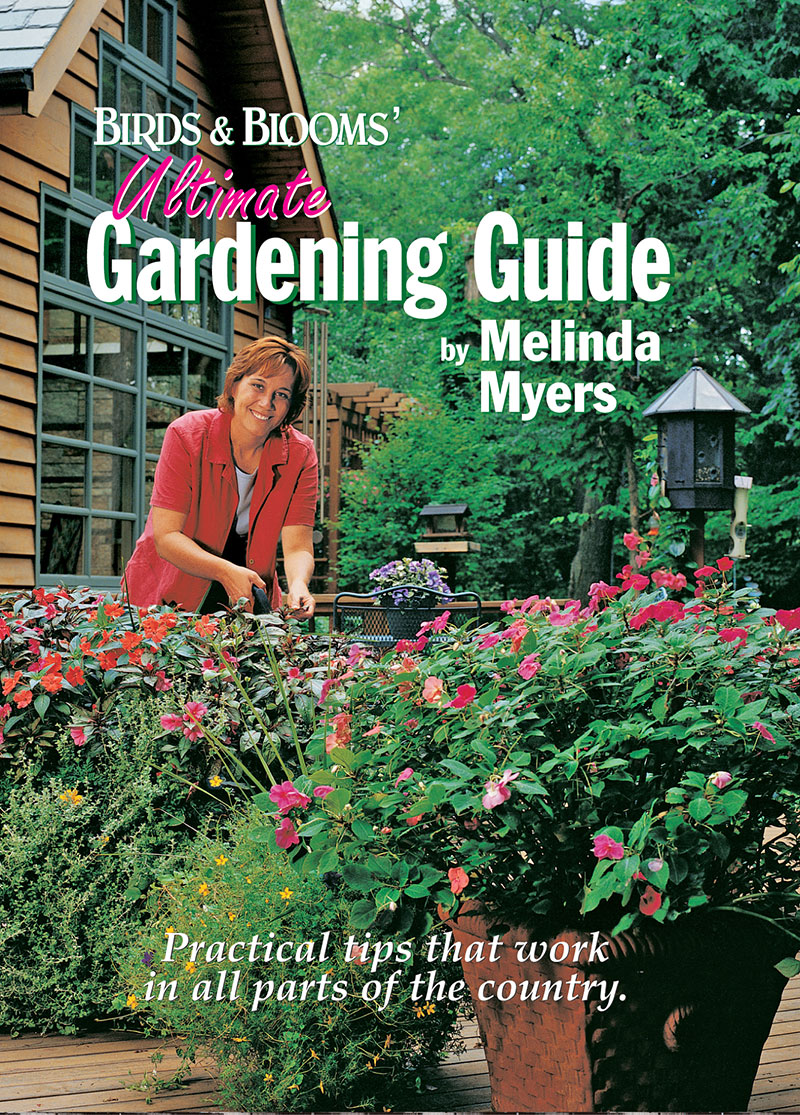
Enter to Win The Birds & Blooms' Ultimate Gardening Guide !