Melinda's Garden Moment Audio Tips
 Throughout the year, new Melinda’s Garden Moments audio tips will be added each week right here on my website. You can also listen to them on radio stations throughout the country. Listen to past tips organized under the categories listed to the right.
Recently aired
Categories
Upcoming Live Events
& Webinars
April 20, 2024
Pruning Hydrangeas and Other Shrubs
Pasquesi Home & Gardens, Lake Bluff, IL
April 27, 2024
Ridges & Rivers Book Festival
Viroqua, WI
April 28, 2024
Flowering Trees and Shrubs
Ebert's Greenhouse Village, Ixonia, WI
May 1, 2024
FREE WEBINAR
Ornamental Fruits and Vegetables
Register now
May 4, 2024
Garden U 2024
New Richmond, WI
Register now
May 9, 2024
FREE WEBINAR
How to Plant Your Rain Garden
Register now
May 11, 2024
Ask The Plant Doctor Q & A
Ebert's Greenhouse Village, Ixonia, WI
May 12, 2024
Ask The Plant Doctor Q & A
Ebert's Greenhouse Village, Ixonia, WI
May 18, 2024
Ask The Plant Doctor Q & A
Ebert's Greenhouse Village, Ixonia, WI
June 1, 2024
Selecting, Planting, Pruning and Caring for Hydrangeas
Ebert's Greenhouse Village, Ixonia, WI
June 5, 2024
FREE WEBINAR
Under-Appreciated Pollinators
Register now
WATCH ON-DEMAND WEBINARS
Learn More
Book an Appearance
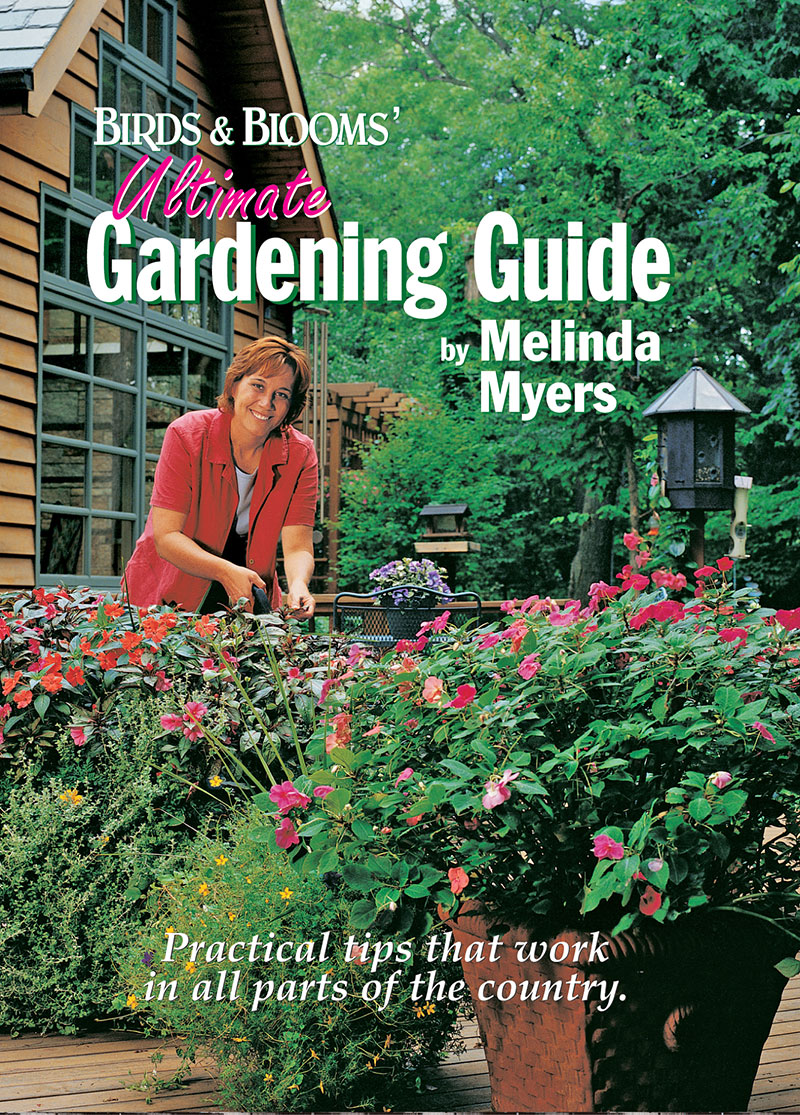
Enter to Win The Birds & Blooms' Ultimate Gardening Guide !